The Importance of Carbon Monoxide Sensors in Gas Explosion Early Warning
A shop explosion and fire broke out in the area of Tenghu Hotel on Baiteng Second Road, Doumen District, Zhuhai City. Shop owners nearby stated that the accident happened at around 9 a.m.
According to videos shot by netizens, many shops on the first and second floors of Tenghu Hotel were severely on fire. Firefighting and other departments had rushed to the scene for disposal. A large number of citizens gathered to watch, and a suspected secondary explosion occurred at the shops during the process.
Reporters learned about the situation from nearby shop owners. At approximately 9:05 a.m. that day, a huge explosion was heard. About two or three minutes later, another explosion rang out, and fire engines immediately arrived at the scene to launch rescue operations.
Subsequently, Zhuhai Emergency Management Bureau stated that a gas explosion occurred near Tenghu Hotel in Baiteng Sub-district, Doumen District on the morning of that day, causing varying degrees of damage to surrounding shops and residential buildings. Firefighting, medical, emergency management and other departments immediately rushed to the scene for disposal.
As of 10 a.m., the open fire at the scene had been extinguished. According to preliminary information, 3 people were injured in the incident, including 2 with minor injuries and 1 (injury severity to be confirmed). The injured have been sent to nearby hospitals for treatment by the 120 emergency medical service, and no one was trapped. The cause of the accident is under further investigation.
How should we use gas safely? What aspects should we pay attention to when using gas?
Currently, the commonly used gases are divided into liquefied petroleum gas (LPG) and natural gas. Both types of gases are colorless, odorless and non-toxic. The pungent smell is from an artificially added odorant, enabling people to detect gas leaks in a timely manner. When gas accumulates in the air to a certain concentration, it can cause suffocation, and even trigger an explosion when exposed to an open flame.
01 Emergency Response to Gas Leaks
In the event of a gas leak, there is no need to panic; stay calm and handle it properly. If you smell a rotten egg odor at home, you should realize that a gas leak may have occurred. At this time, you should follow the steps of "turn off the valve, open the windows, and go outside to make a phone call". By closing the gas valve, opening doors and windows for ventilation to reduce gas concentration, the danger can generally be eliminated. When a gas leak occurs, immediately extinguish all open flames, and do not turn on any electrical devices to avoid sparks or electric arcs that could trigger an explosion.
02 Abandon the Luck Mentality and Resolutely Refuse to Use Illegal Gas
"Illegal gas" refers to the gas sold by unlicensed illegal operators. Although it seems to be cheaper, it poses extremely serious safety hazards. If you are currently using illegal gas, please stop using it immediately for the safety of your life and property.
03 How to Correctly Use Gas Stoves
Both ends of the gas hose must be tightly clamped with clips. The distance between the gas cylinder and the outer side of the stove shall not be less than 1 meter, the length of the gas hose shall not exceed 2 meters, and the normal service life of the hose is 18 months.
When replacing the gas cylinder, carefully check whether the sealing rubber ring at the front end of the pressure regulator is intact during installation. When installing the pressure regulator, tighten the regulator handwheel firmly, and open the cylinder valve to check for gas leaks at all connections.
Users can use soapy water to check for leaks at equipment connections; using an open flame to test for leaks is strictly prohibited.
When using an LPG stove, someone should be in attendance to prevent the flame from being extinguished by boiling soup, boiling water or wind, which could cause a gas leak. After using the gas, users should promptly turn off the stove and cylinder valves.
During use, always pay attention to the color of the flame. An orange-yellow flame indicates incomplete gas combustion, in which case carbon monoxide will be released. You can adjust the air damper under the stove to change the flame color to blue, which is the standard for complete combustion.
04 Causes of Carbon Monoxide Poisoning
The liquefied petroleum gas and natural gas we use are both colorless, odorless and non-toxic gases, but incomplete combustion can produce carbon monoxide. Carbon monoxide is also generated in the early stage of a fire. Inhalation of carbon monoxide can first cause symptoms such as dizziness and blurred vision, and in more severe cases, syncope. After entering the human body, carbon monoxide binds to hemoglobin in the blood, preventing hemoglobin from combining with oxygen, thereby causing hypoxia in body tissues and leading to suffocation and death. Therefore, it is particularly important to apply carbon monoxide sensors in gas explosion early warning, which can transmit real-time data on carbon monoxide concentrations at the explosion site to the fire control center to guide fire rescue operations.
Shenzhen Wuliang Sensor Technology Co., Ltd. provides S+4 2ECO and S+4 2ECO LP civil carbon monoxide sensors, which can monitor CO concentrations in real time. When the carbon monoxide concentration reaches a certain level, the sensor sends an alarm signal. These sensors are widely used in indoor kitchens, bathrooms and other areas for gas leak detection. Details of the carbon monoxide sensor products are as follows:
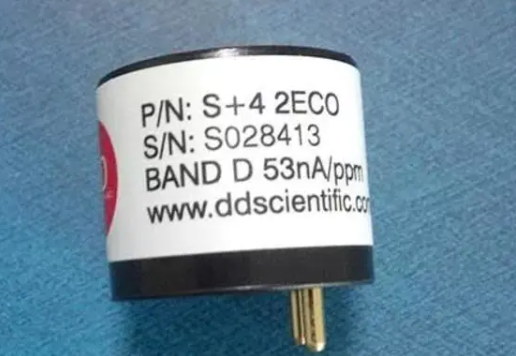
Carbon Monoxide Sensor S+42ECO
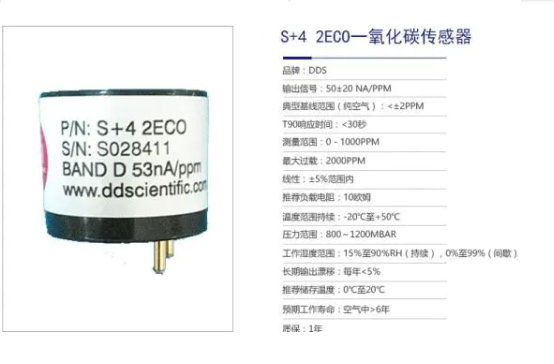
Carbon Monoxide Sensor S+42ECO LP