The Key Role of Toxic and Harmful Gas Detection in Mining Operations
At present, frequent underground operation accidents in China not only threaten the personal safety of underground staff and other personnel, but also exert a certain impact on the normal development of enterprises. Therefore, it is essential to strengthen the management of underground operations, fundamentally reduce potential safety hazards, achieve zero accidents in construction, protect the physical health of underground workers, and minimize property losses of enterprises.
Relevant authorities in many regions have mandated that mine workers must carry portable gas detection sensors and self-rescuers when entering mines. Equipped with built-in gas sensing elements, portable gas detectors can automatically monitor underground gas conditions and trigger an alarm once harmful gas concentrations exceed safety limits or oxygen levels become insufficient.
A self-rescuer is a mandatory wearable device for every underground worker. In the event of fire or poor air quality, workers can quickly take out and activate the self-rescuer for respiratory protection and self-rescue.
Gas alarms and sensors shall be selected according to actual on-site environmental conditions.
For confined spaces such as sewers, sealed agricultural granaries, railway tank cars and tunnels, gas detection must be completed outside the confined area before personnel entry. Multi-gas detection alarms are required in such scenarios, as gas composition and distribution vary greatly in different zones of confined spaces.
A qualified gas detection device for confined spaces shall be portable, non-intrusive, capable of zonal inspection and multi-gas monitoring. It can detect hazardous gases with uneven spatial distribution without interfering with staff operations, fully ensuring the safety of personnel entering confined spaces.
Analysis of the current situation of underground operations and the formulation of targeted measures will greatly boost workers’ safety awareness and reduce accident rates. Rational and scientific management provides solid guarantees for safe underground production.
Gas detectors, relying on gas sensors to identify gas composition and concentration, are widely applied in high-risk mining sites, effectively lowering the risk of mine disasters.
Gas components in mines reflect various potential dangers, including toxic gases such as carbon monoxide, carbon dioxide and sulfur dioxide, as well as oxygen deficiency. In some cases, methane may also accumulate to explosive concentrations.
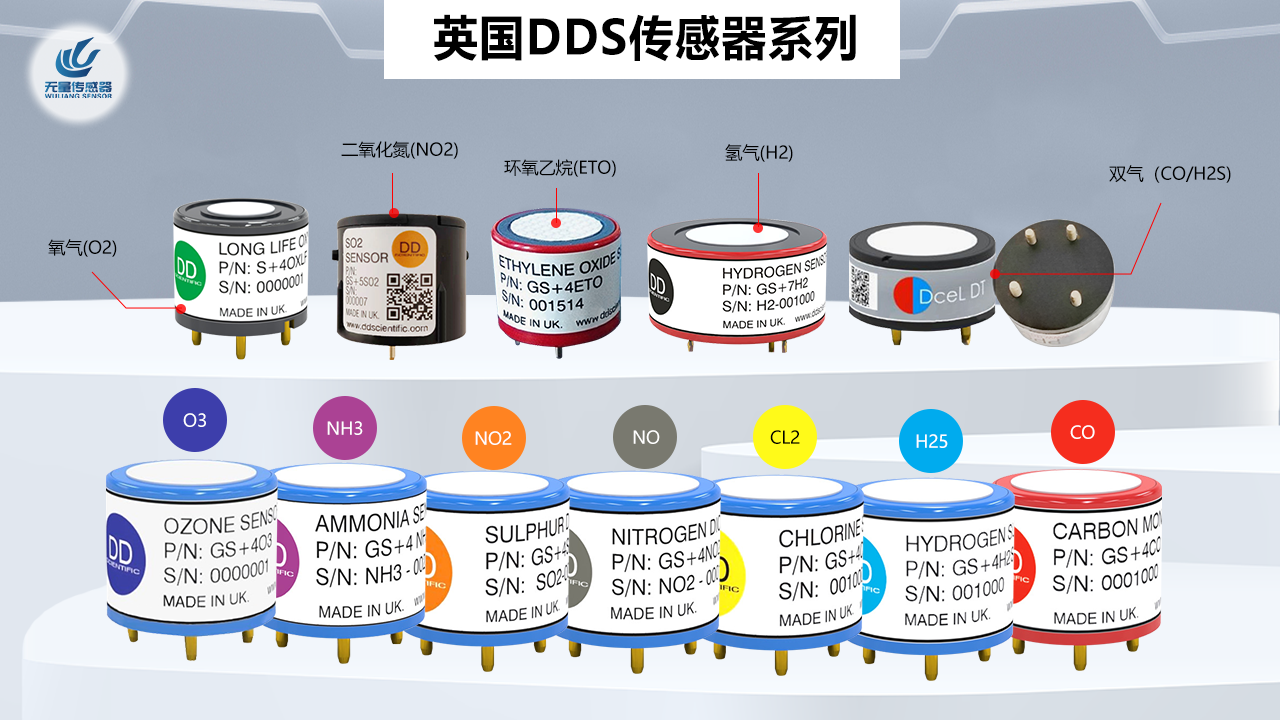
For this reason, modern underground gas monitoring equipment is integrated with various specialized sensors, including
oxygen, carbon dioxide and
carbon monoxide sensors. By replacing detection probes, the devices can accurately analyze complex gas components and concentrations.
In-depth analysis of the underground operation industry and the implementation of standardized safety measures play a vital role in enhancing staff safety awareness and preventing accidents. Scientific and standardized management builds a solid safety barrier for all underground mining activities.